
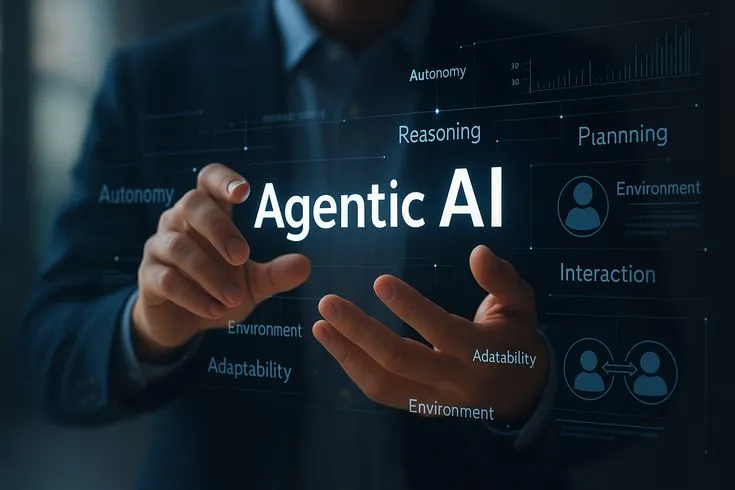
Static software bots struggle whenever unannounced process updates occur. Traditional automation scripts break down quickly, dumping unexpected errors right back into human laps. Establishing structured Agentic Automation Training for Enterprises helps organizations upgrade basic bots into flexible, decision-making assistants. Smart digital agents learn from incoming data flows, adapt to system changes on the fly and resolve daily edge cases on their own. Upskilling corporate teams alongside autonomous systems transforms brittle workflows into resilient operations, keeping large businesses agile, efficient and fully prepared for modern market challenges.
Shifting Beyond Rule-Based Bot Logic
Traditional software bots follow strict scripts step by step without thinking. When a website layout shifts slightly, or a form field moves down, the whole script freezes instantly. That rigid design forces tech support to fix tiny bugs over and over. Modern autonomous tools evaluate unexpected conditions on their own. They analyze context, pick alternate steps, and finish tasks without stopping production. Training systems to adapt reduces constant tech support tickets, allowing IT professionals to focus on major infrastructure projects instead of repairing simple script failures.
Building Strong Governance Protocols First
Granting software tools freedom to make decisions requires strict guardrails. Uncontrolled bots might run wild across databases, creating major security headaches. Executive teams must outline clear operational boundaries before deploying autonomous systems. Managers set strict access levels, approve financial spending caps, and assign real humans to oversee risky transactions. Clear compliance policies ensure digital workers stay inside legal boundaries at all times. Setting firm rules early protects sensitive customer records, maintains internal control, and prevents unexpected operational mistakes across every company department.
Designing Continuous Feedback Learning Loops
Autonomous systems get smarter by reviewing past actions constantly. Digital workers log every decision, tracking success rates across thousands of daily transactions. When a bot hits an unfamiliar problem, it flags the file for human review immediately. Human supervisors step in, resolve the edge case and show the software how to tackle similar situations next time. Integrating Agentic AI helps digital agents learn continuously from real human choices. This constant feedback loop sharpens software accuracy quickly, building a reliable digital workforce across your entire corporate network.
Upskilling Workforce Teams for Collaboration
Deploying autonomous tools changes everyday staff roles across the building. Employees stop wasting hours on tedious typing tasks and shift toward managing digital worker outputs. Training programs help managers delegate tasks, monitor bot logs and refine automated routines smoothly. Teaching workers to view software agents as helpful teammates builds trust and cuts down on job replacement fears. Empowered employees focus on creative problem-solving and client growth, driving real business innovation while software bots handle heavy background operations around the clock.
Monitoring Autonomous Action Performance Live
Tracking autonomous digital tools demands fresh oversight methods. Old static report sheets miss subtle errors made by learning systems. Managers need real-time dashboards to monitor decision accuracy, processing speed, and error rates across all active channels. Instant alerts notify tech leads whenever a bot strays from expected logic patterns. Quick intervention stops tiny glitches before they spiral into widespread workflow delays. Continuous performance tracking gives business leaders clear proof of operational improvements, helping companies optimize digital workflows and validate technology investments easily.
Scaling Autonomous Workforces Across Departments
Starting with a small pilot program helps teams test autonomous tools safely. Once a single department sees smooth results, managers can expand software setups to finance, supply chain, and human resources. Modular system architecture lets developers reuse core logic frameworks across different business units, cutting setup costs significantly. Digital agents collaborate across systems, swapping information seamlessly to complete complex, multi-step operations. Expanding autonomous workflows enterprise-wide boosts total processing capacity, eliminates interdepartmental bottlenecks and positions your business for sustainable, long-term market growth.
Conclusion
Preparing your organization for autonomous digital workers is essential for modern enterprise success. Transitioning from rigid scripts to self-learning agents improves operational flexibility, cuts system maintenance costs, and speeds up daily workflows. Partnering with experts like evolvextechnologies.com guides your business through seamless training, risk management and system scaling. Upgrading your corporate automation framework protects vital company data, frees up human talent and boosts market competitiveness. Take action today to build a smarter, highly adaptable enterprise workforce ready for tomorrow.
