


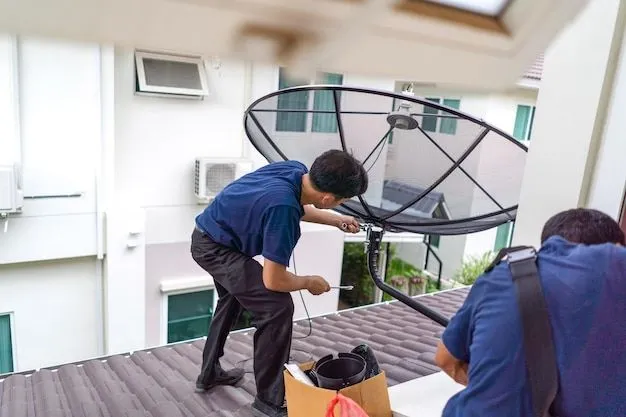
A broadband outage can disrupt more than emails and video calls. In households that depend entirely on streaming apps, it can also mean losing access to familiar television programmes when people want news or entertainment. That experience raises a useful question: does every screen in the home need the internet to work? Understanding the difference between broadcast reception and online streaming can help families build a more flexible viewing arrangement without paying for equipment they will rarely use.
Streaming and Broadcasting Work Differently
Streaming services deliver programmes through an internet connection. When the connection fails, a smart television may still turn on and display its menus, but apps that require broadband might stop playing. Downloaded content, where supported, can be an exception; it depends on the device, service and licence restrictions.
Terrestrial and satellite broadcasting take different routes. Freeview uses signals from terrestrial transmitters, while Freesat receives broadcasts via a satellite dish. Their basic live television reception does not depend on household broadband, provided suitable equipment and a working signal are available. Internet-based extras, including catch-up services, can still be unavailable during an outage.
Check What the Television Can Already Receive
Before purchasing a receiver, examine the television’s specifications and existing connections. Many sets have a terrestrial tuner, but that does not mean an aerial feed is connected or that local reception is reliable. Satellite tuners also vary in their compatibility with particular services and programme guides.
An existing wall socket offers another clue, though sockets may be disconnected or linked to older equipment. Rather than assuming the signal is present, consulting Local TV aerial installers can help establish whether an existing aerial connection is functional and suitable for reliable reception. A proper signal assessment can distinguish reception problems from television configuration issues.
Where an Aerial Could Provide a Useful Alternative
For a home that mainly streams, terrestrial television may be a practical fallback where Freeview coverage is suitable. It can also suit people who prefer turning on a familiar channel without opening another application. Channel availability varies by transmitter and location, so postcode predictions and real reception tests should guide expectations.
An aerial can offer a straightforward way to watch live television without relying on broadband, provided suitable reception is available. Households should consider the channels they regularly watch, the location of existing television points and whether additional equipment would be necessary. The aim is to establish a dependable alternative viewing option without introducing unnecessary complexity or expense.
Satellite Reception Has Its Own Trade-Offs
In locations where terrestrial reception is limited, satellite broadcasting may offer another option. A dish must have an appropriate view of the satellites, and the receiver must support the intended channels and service. Weather, alignment and cable condition can affect reception, so satellite should not be presented as an interruption-proof solution.
Households considering Freesat satellite dish installation should clarify whether they already have compatible dish equipment and whether their television or separate receiver supports the desired Freesat functions. Certain connected features may still need broadband, even when ordinary satellite broadcasts remain available. That avoids confusion during an outage.
Build a Setup That Everyone Can Operate
A backup viewing option only helps if people know how to use it. When everything is working, show household members how to move between the streaming input and the broadcast channels. Note which remote controls the television and which operates a separate receiver, if one is fitted.
Avoid changing settings repeatedly during an outage. A loss of streaming access is not necessarily a television fault, and retuning broadcast channels will not restore a failed broadband connection. A short input guide helps when the usual equipment expert is away.
Decide Whether a Second Service Is Worth Having
Not every household needs both terrestrial and satellite reception. Some viewers rarely watch live television, while others rely on daily news, sporting coverage or particular regional programmes. Compare actual viewing habits, local signal conditions and equipment costs before deciding.
There is also a difference between resilience and duplication. Adding another receiver is not particularly useful if it offers none of the programmes people want. A thoughtful choice gives residents genuinely different ways to watch television, rather than multiple devices performing the same task.
Conclusion
A failed broadband connection should not automatically make every television in a home unusable. Broadcast options can provide welcome flexibility, although reception, compatibility and channel availability still need checking. The useful question is which services the household values enough to keep accessible without streaming. Information about aerial and satellite options is available through techtwins.co.uk, but the decision belongs to the people using the screens. A simple, familiar alternative can be more valuable than another complicated device.
