


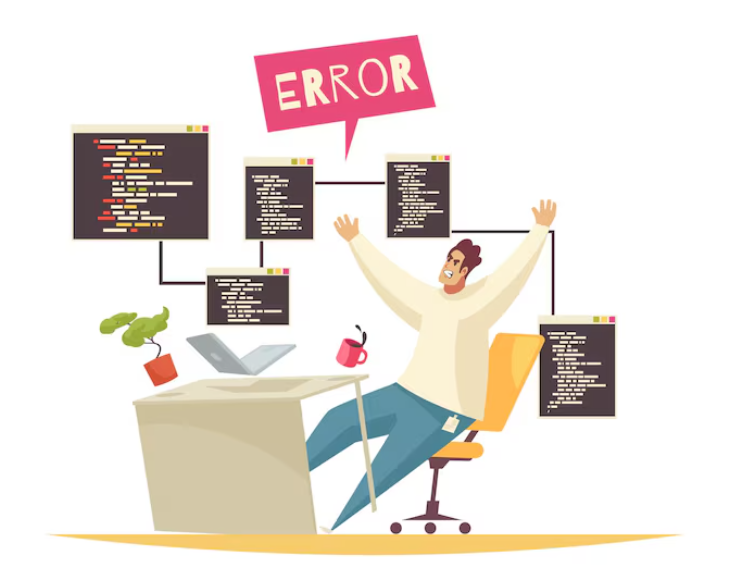
Think of writing VBA code like captaining a ship across a vast sea. The waters may seem calm, but unexpected storms—errors—can appear without warning. A good captain doesn’t just sail blindly; they prepare lifeboats, map safe routes, and train their crew to handle the unexpected. In the same way, a skilled VBA developer writes code that anticipates problems, manages them gracefully, and ensures the application keeps moving forward.
Anticipating the Storms.
The first step in error handling is anticipation. Just as sailors watch weather forecasts, developers must predict where things might go wrong. Missing files, invalid user input, or broken formulas are common disruptions that can sink a macro if left unchecked.
For learners enrolled in a data analyst course in Pune, understanding how to foresee potential errors is essential. They discover that anticipating these “storms” leads to proactive coding practices, where issues are managed before they grow into bigger problems.
Using On Error Statements Wisely
In VBA, the On Error statement is your lifeboat. It gives your code a plan of action when something goes wrong. But like any lifeboat, it must be used wisely. Throwing all errors into a generic handler is like ignoring the type of storm you’re facing—it may keep the ship afloat, but it won’t help you navigate safely.
Instead, developers should craft specific handlers that guide the program toward recovery. Students advancing through a data analyst course often learn how to use On Error Resume Next sparingly and focus on structured error handling that points directly to the root cause.
Logging Errors: Leaving a Trail Behind
Imagine being in uncharted waters and leaving markers so others know where you’ve been. Logging errors plays the same role in programming. By recording details such as error codes, descriptions, and the line of failure, you create a trail that helps in diagnosing issues later.
This practice not only facilitates debugging but also enhances collaboration in larger teams. Developers working in enterprise settings can quickly identify recurring issues and design solutions that are effective and lasting.
Building Resilient Code
The ultimate goal of error handling isn’t just avoiding crashes—it’s building resilience. A resilient application recovers gracefully, informs users of what went wrong, and continues to function where possible.
In structured learning environments like a data analyst course in Pune, students practice writing resilient VBA scripts that keep data workflows intact. Whether automating Excel reports or managing Access databases, they learn that robust error handling is as critical as the logic itself.
Testing Before the Voyage
No captain would set sail without a trial run, and no developer should release code without thorough testing. By simulating errors and stress-testing macros, you can identify weak spots and refine your error-handling strategies.
This habit, often reinforced in a data analyst course, ensures that learners understand the importance of “trial voyages” before deploying their scripts in live environments. Testing builds confidence and prevents costly disruptions.
Conclusion
Error handling in VBA is more than just fixing bugs—it’s about thinking like a captain preparing for uncertain seas. By anticipating problems, using On Error wisely, logging issues, and building resilient recovery paths, developers can write code that withstands the unpredictable.
For anyone working with VBA, mastering these practices is not optional—it’s essential. They ensure that your code doesn’t simply work when conditions are perfect but continues to deliver value even when the storms roll in.
Business Name: ExcelR – Data Science, Data Analyst Course Training
Address: 1st Floor, East Court Phoenix Market City, F-02, Clover Park, Viman Nagar, Pune, Maharashtra 411014
Phone Number: 096997 53213
Email Id: [email protected]
