


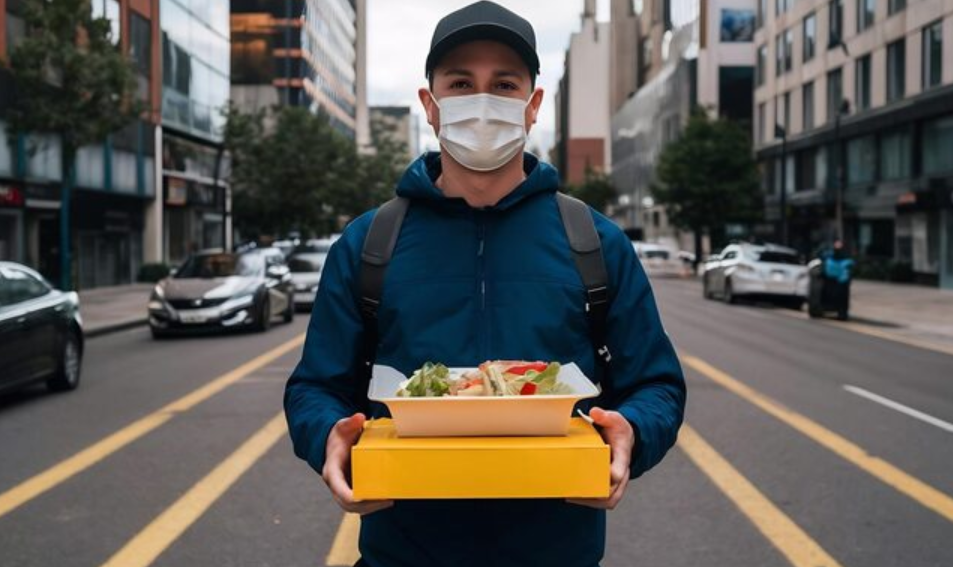
The food delivery industry in the United States is evolving rapidly. With the growth of cloud kitchens, quick commerce, and large-scale delivery networks, maintaining safety and quality has become more complex than ever.
This is where US food delivery compliance plays a critical role. Businesses are no longer judged only on speed and convenience. They are also expected to meet strict safety standards that protect consumers and ensure product integrity.
Regulatory authorities have established clear guidelines for food handling, storage, and transportation. As delivery becomes a larger part of the food ecosystem, these standards now extend into last mile operations.
Understanding FDA Food Delivery Rules
FDA food delivery rules provide a structured framework for maintaining food safety throughout the delivery process. These guidelines focus on preventing contamination, maintaining proper temperature levels, and ensuring safe handling practices.
The rules emphasize that delivery is not separate from food safety. It is a continuation of the same process that begins in the kitchen.
Key areas of compliance include:
- Proper storage conditions for different types of food
- Maintaining safe temperature ranges during transport
- Preventing cross contamination between food items
- Ensuring hygiene and cleanliness of containers and equipment
- Maintaining accountability during handling and delivery
These standards make it clear that every stage of delivery must support food safety, not compromise it.
The Role of Temperature Control in Food Safety
One of the most important aspects of food safety delivery USA standards is temperature control. Maintaining the correct temperature during transit is essential to prevent bacterial growth and preserve food quality.
Hot food must remain hot, and cold food must remain cold throughout the delivery journey. Even small deviations can impact safety and quality.
This is where temperature regulated delivery becomes essential. Businesses must ensure that their delivery systems can maintain stable conditions regardless of external factors such as weather, distance, or delays. Without proper temperature control, even well-prepared food can become unsafe before it reaches the customer.
Common Compliance Challenges in Delivery Operations
Despite clear regulations, many delivery operations struggle to maintain consistent compliance. The complexity of last mile logistics introduces multiple points where failures can occur.
The most common challenges include:
- Lack of real time monitoring of temperature during transit
- Use of passive containers that cannot maintain stable conditions
- Multiple delivery stops that increase exposure time
- Inconsistent handling practices among delivery personnel
- Limited visibility into delivery conditions
These gaps make it difficult to ensure consistent compliance and increase the risk of safety issues.
Why Traditional Methods Are No Longer Reliable
Many businesses still rely on insulated bags and basic delivery systems to transport food. While these methods may meet basic requirements, they often fail to provide consistent results.
Passive systems depend on external conditions and delivery speed. They do not actively maintain temperature or provide visibility into performance.
In a regulatory environment where accountability is increasing, this lack of control becomes a serious limitation. Businesses can no longer depend on assumptions. They need systems that provide consistency and reliability.
Best Practices for US Food Delivery Compliance
To meet modern safety standards, businesses need to adopt a structured and proactive approach to delivery operations.
The most effective practices include:
- Using systems that support temperature regulated delivery
- Separating hot and cold items during transport
- Training delivery personnel on food safety procedures
- Monitoring delivery conditions throughout the journey
- Maintaining records for compliance and accountability
These practices help reduce risks and ensure that food reaches customers in safe and acceptable condition.
The Role of Smart Delivery Systems
As compliance requirements become more demanding, businesses are adopting smarter delivery systems to improve control and visibility.
These systems combine temperature management, tracking, and monitoring to create a more reliable delivery process. Instead of reacting to problems, businesses can prevent them.
This approach strengthens US food delivery compliance by ensuring that every delivery meets safety expectations. It also supports better decision making by providing insights into operational performance.
Building Trust Through Compliance
Compliance is not just about meeting regulations. It is also about building trust with customers. Customers expect their food to be safe, fresh, and handled properly. Consistent compliance reinforces this expectation and strengthens brand reputation.
In a competitive market, businesses that prioritize food safety delivery USA standards can stand out by offering reliability and consistency. Trust is built through repeated positive experiences, and compliance plays a key role in delivering those experiences.
Preparing for the Future of Food Delivery
The regulatory landscape for food delivery is expected to become more structured in the coming years. As delivery systems expand and technology advances, compliance requirements will continue to evolve.
Businesses that invest in better systems today will be better prepared for future changes. This includes adopting solutions that support temperature regulated delivery and improve overall control.
The future of food delivery will depend on the ability to combine efficiency with safety. Companies that achieve this balance will be in a stronger position to grow and compete.
Final Thought
Food delivery is no longer just about speed and convenience. It is an essential part of the food supply chain, and it must meet strict safety standards.
US food delivery compliance is becoming a key factor in how businesses operate and grow. By following FDA food delivery rules, maintaining proper temperature control, and adopting best practices, companies can reduce risk and improve reliability.
In today’s environment, compliance is not optional. It is essential. Because in food delivery, safety is not just a requirement. It is the foundation of trust.
