


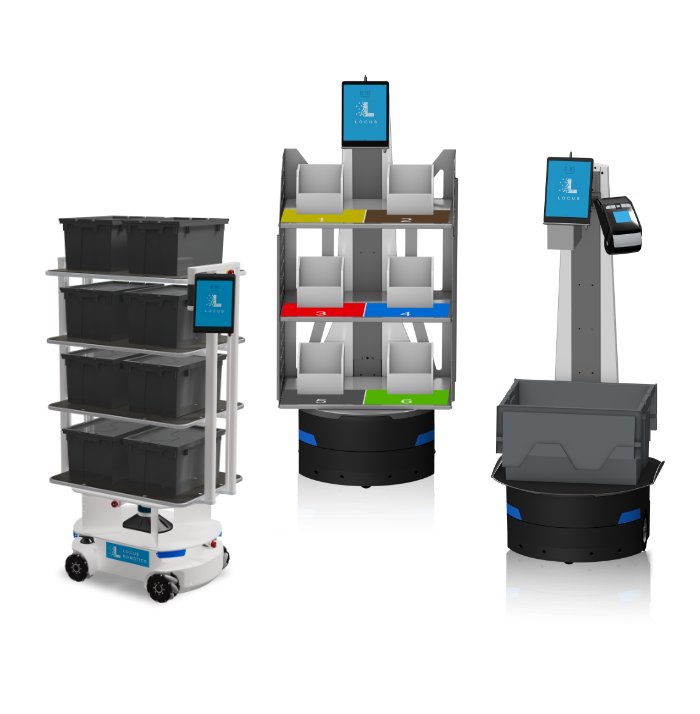
Warehouse robots have become the cornerstone of modern logistics, transforming traditional storage systems into highly efficient, automated operations. These intelligent machines can handle repetitive tasks, reduce human error, and accelerate the movement of goods across facilities. As businesses scale, integrating warehouse robot has become essential to maintain speed, accuracy, and reliability. Their adaptability ensures they can work in varied environments, from small storage units to massive distribution centers.
How Warehouse Automation Robotics Enhance Operational Efficiency
Warehouse automation robotics are designed to optimize workflow by managing tasks that were previously labor-intensive. These systems can pick, sort, transport, and track inventory with minimal human intervention. By leveraging these robotic solutions, companies can improve throughput, reduce operational costs, and enhance overall warehouse productivity. Furthermore, warehouse automation robotics allow for continuous operations, enabling businesses to meet high-demand periods without compromising accuracy or speed.
Key Benefits of Implementing Warehouse Robots
The integration of warehouse robots brings a multitude of advantages for businesses seeking efficiency:
- Reduced Labor Costs: Robots handle repetitive tasks, lowering the need for extensive human labor.
- Increased Accuracy: Advanced sensors and navigation systems minimize errors in order fulfillment.
- Faster Order Processing: Tasks such as picking and sorting are completed more swiftly.
- Scalability: Operations can expand without significant infrastructure changes.
- Enhanced Safety: Robots reduce human exposure to heavy lifting and hazardous environments.
The Role of Warehouse Automation Robotics in Inventory Management
Warehouse automation robotics play a vital role in inventory control. These systems track stock levels in real-time, reducing the chances of overstocking or stockouts. Robots equipped with scanning technologies can update inventory databases automatically, ensuring accurate and up-to-date records. For companies dealing with large inventories, this level of precision is invaluable, as it directly impacts order fulfillment efficiency and customer satisfaction.
Integrating Warehouse Robots with Existing Logistics Systems
Successful integration of warehouse robots requires careful planning and coordination with existing logistics infrastructure. Advanced robotics can work alongside human staff, complementing their tasks rather than replacing them entirely. By connecting warehouse automation robotics to warehouse management systems (WMS), companies can create a synchronized environment where inventory movement, order processing, and storage are seamlessly coordinated. This integration maximizes productivity while minimizing operational disruptions.
Future Trends in Warehouse Automation Robotics
The future of warehouse robots is evolving rapidly. Advancements in artificial intelligence, machine learning, and sensor technologies are enabling more autonomous operations. Robots will soon be capable of handling complex decision-making tasks, predictive maintenance, and real-time route optimization. These developments will further enhance warehouse efficiency, making automation robotics a strategic investment for businesses seeking long-term growth.
Conclusion
Adopting warehouse robots and warehouse automation robotics is no longer optional; it is a strategic move for businesses aiming to stay competitive. The blend of speed, accuracy, and scalability provided by these technologies is transforming logistics operations globally. Companies that embrace this change can expect improved efficiency, reduced costs, and better customer experiences. For more insights into warehouse automation solutions, visit locusrobotics.com.
